
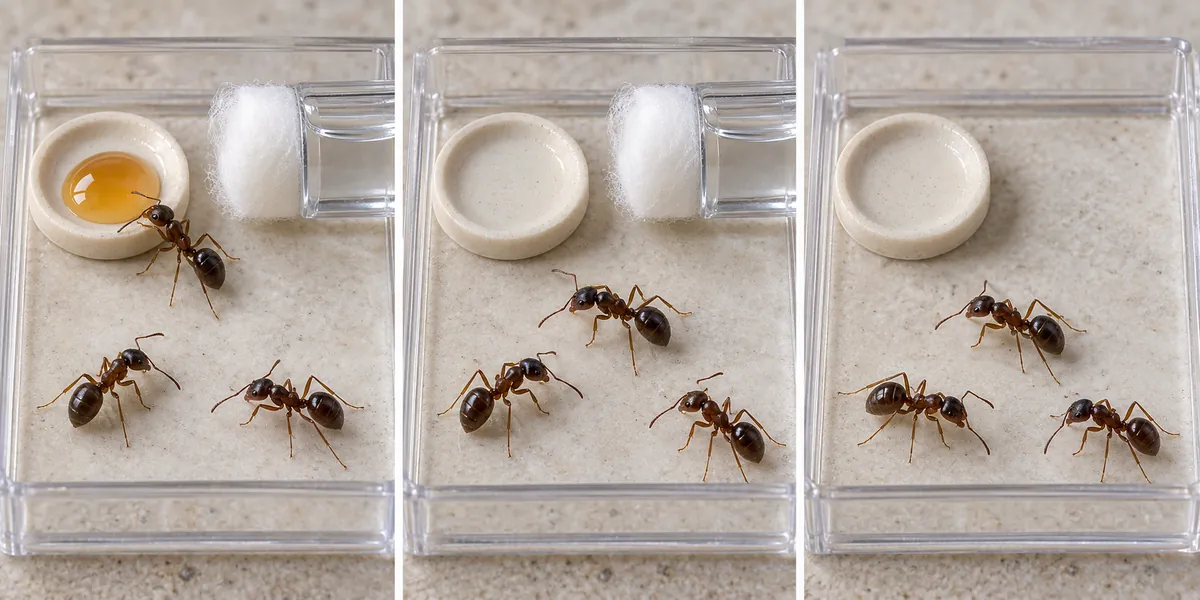
Food, water and survival · 6 min
How Long Can Ants Live Without Food or Water?
Compare laboratory observations of ants without food or water, and learn why species, conditions and colony stage change the answer.
Natural history
Clear explanations of ant biology, ecology and the collective behavior of a colony.
Compare laboratory observations of ants without food or water, and learn why species, conditions and colony stage change the answer.
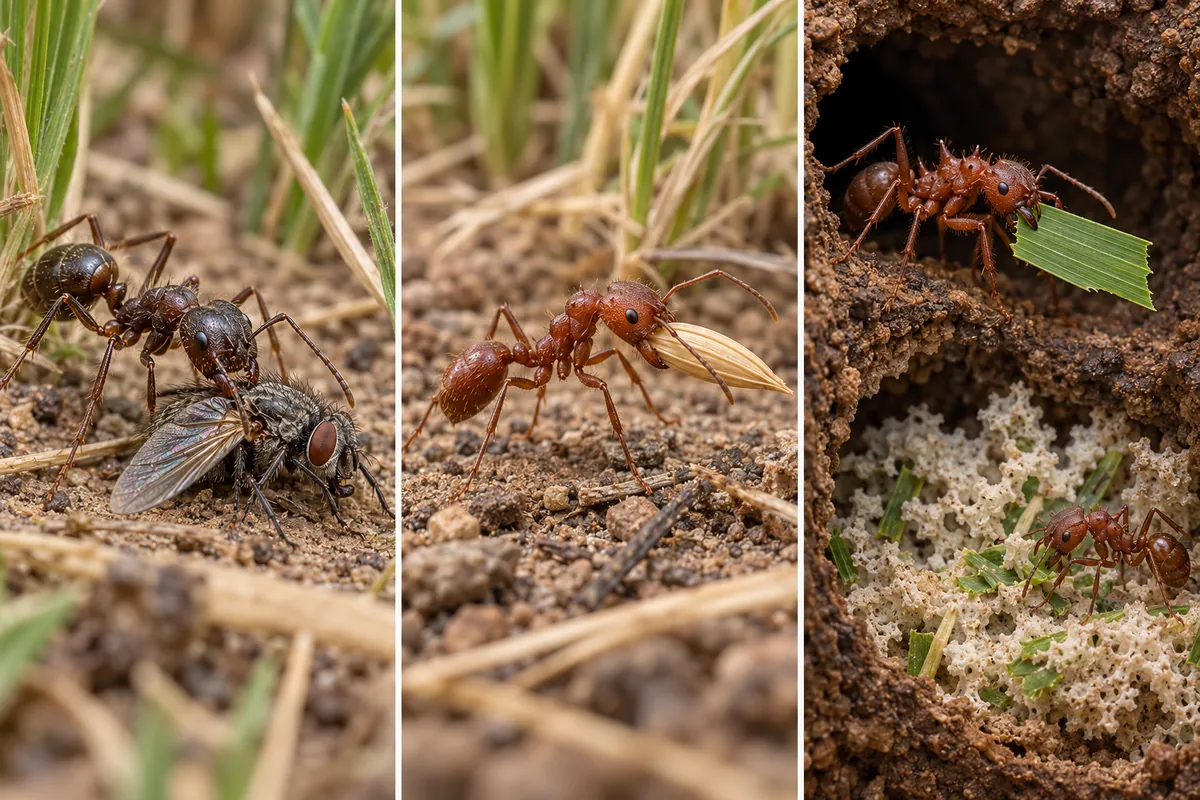
Distinguish grass blades, seeds, fungus farming and nest disturbance—and understand what ants in your lawn may actually be doing.
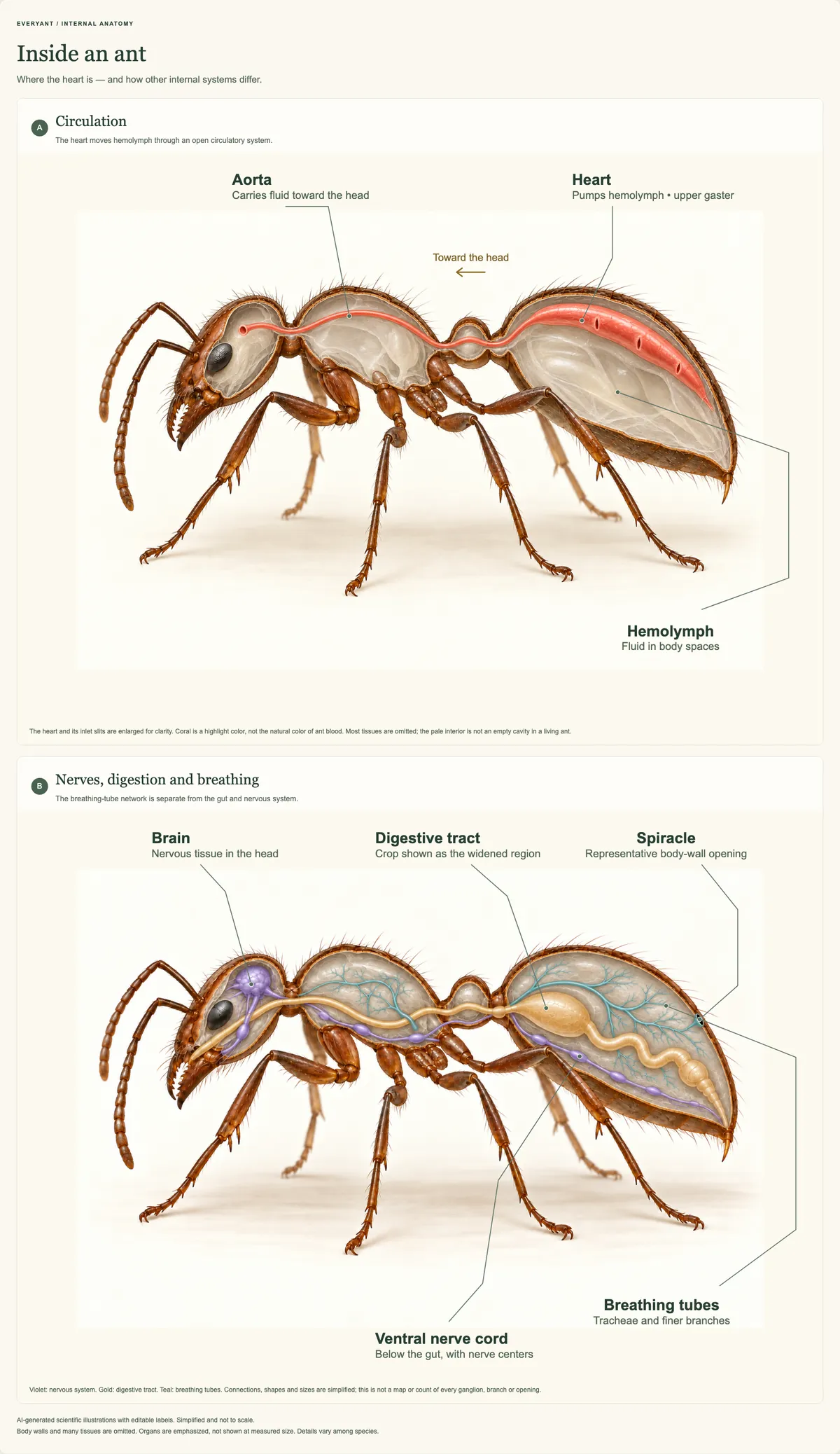
Find an ant’s heart, compare it with a human heart, and explore how circulation, breathing, the brain and other internal organs work.
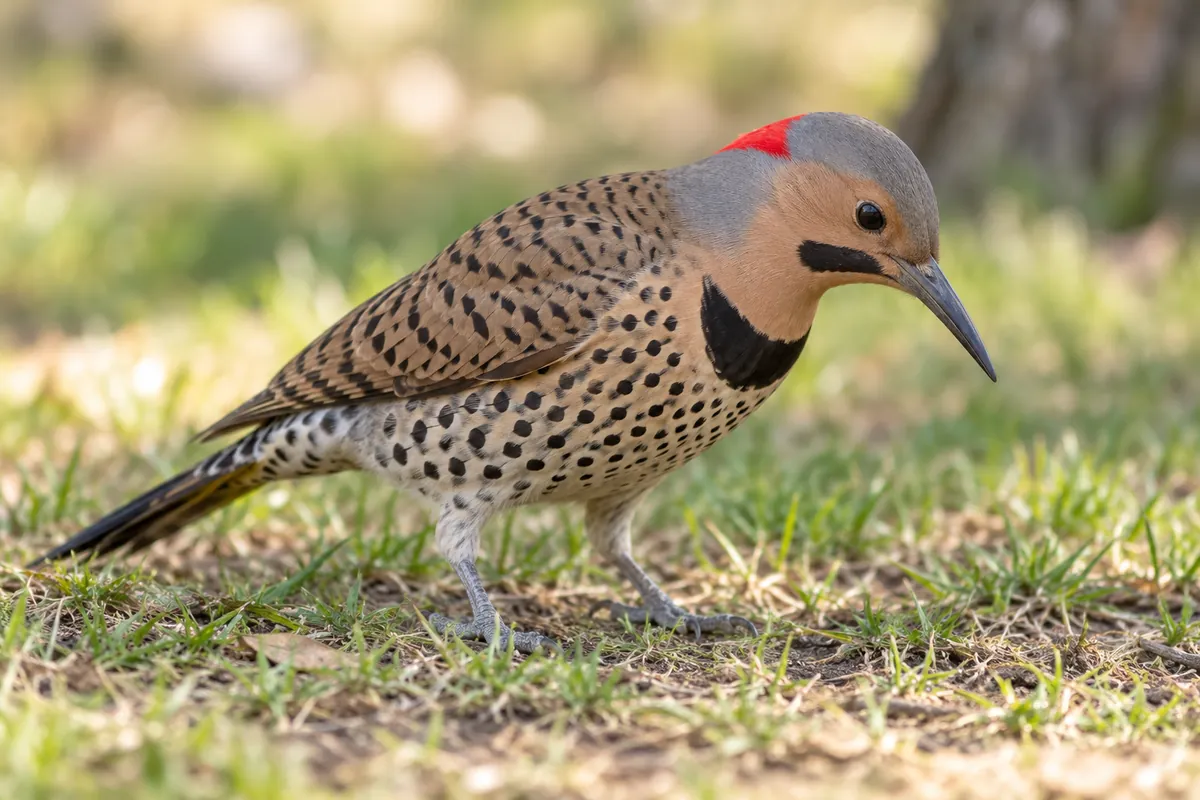
Meet ant predators around the world, compare how they feed, and discover which animals may eat ants in US and UK gardens.
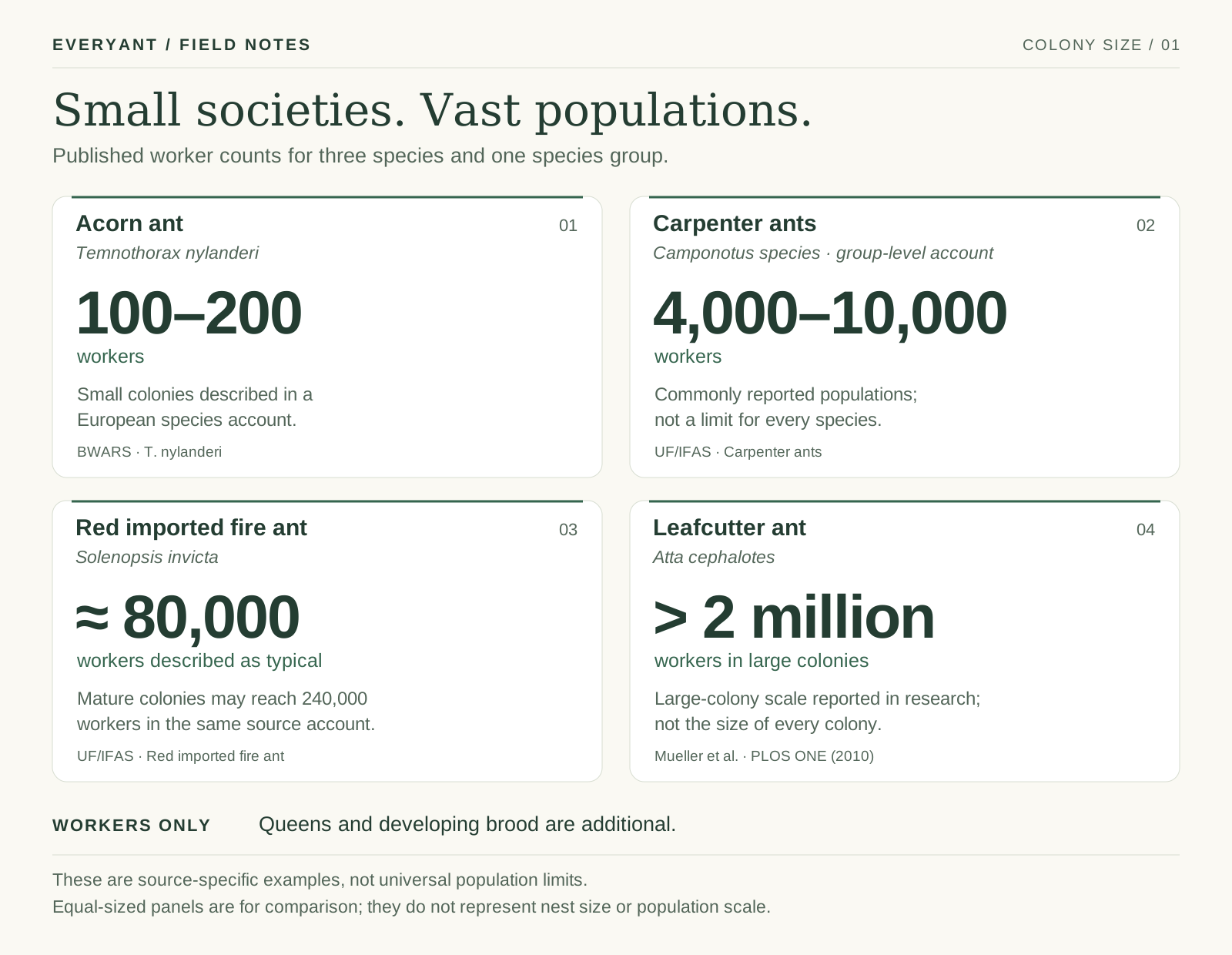
Compare published worker populations, understand what makes a colony small, and see why one nest does not always equal one colony.
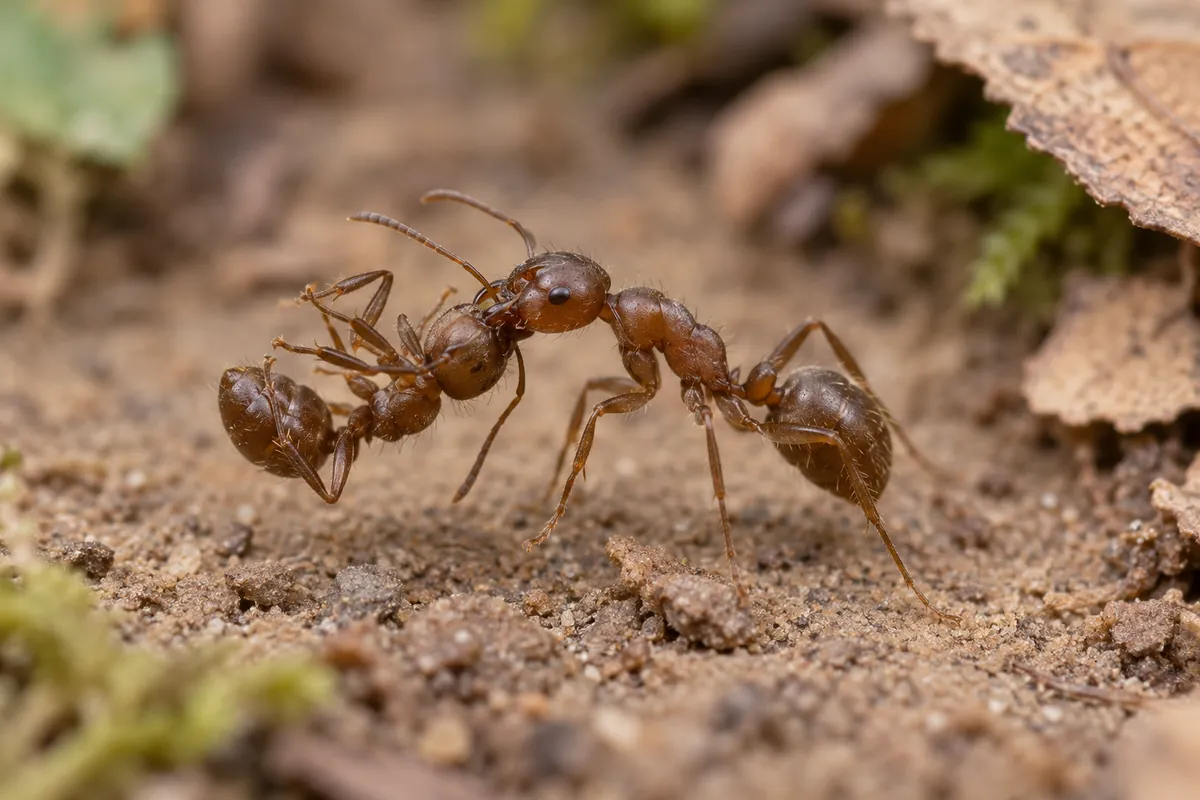
Ants carrying dead ants are often removing waste from their nest. But carrying, gathering around and eating another ant are different behaviours—and the ant being carried may still be alive.
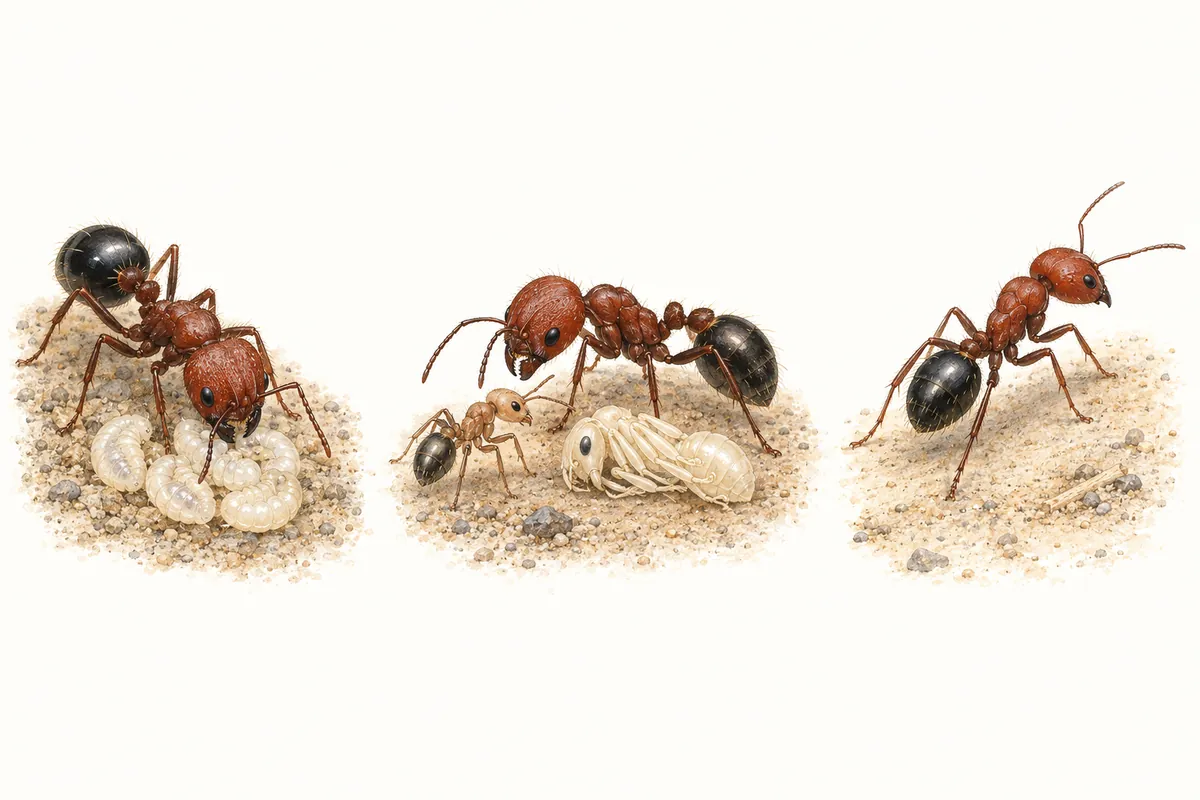
What queen loss means for surviving workers, future generations and possible replacements—and what you can actually tell from the brood.
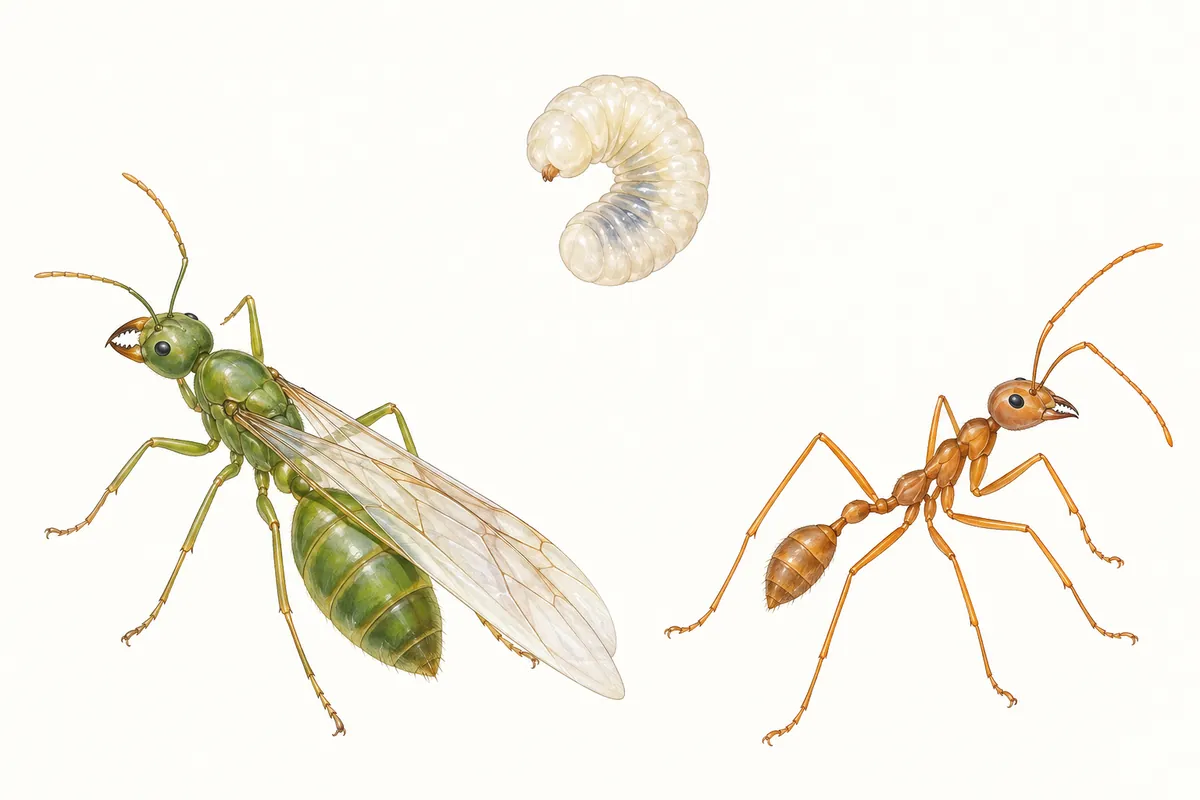
Caste is settled during larval development by several inputs acting together — and the balance between them differs from species to species.
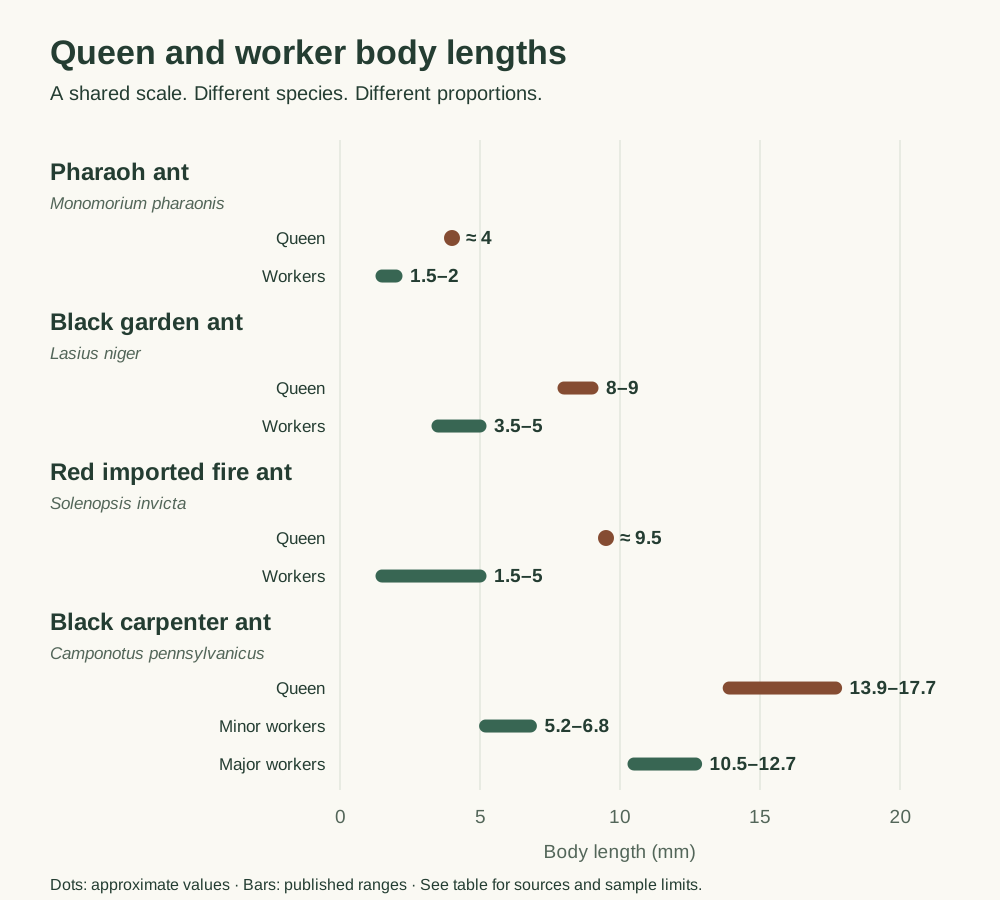
Queen ant sizes in millimeters and inches, with published measurements for four species and practical comparisons with workers.
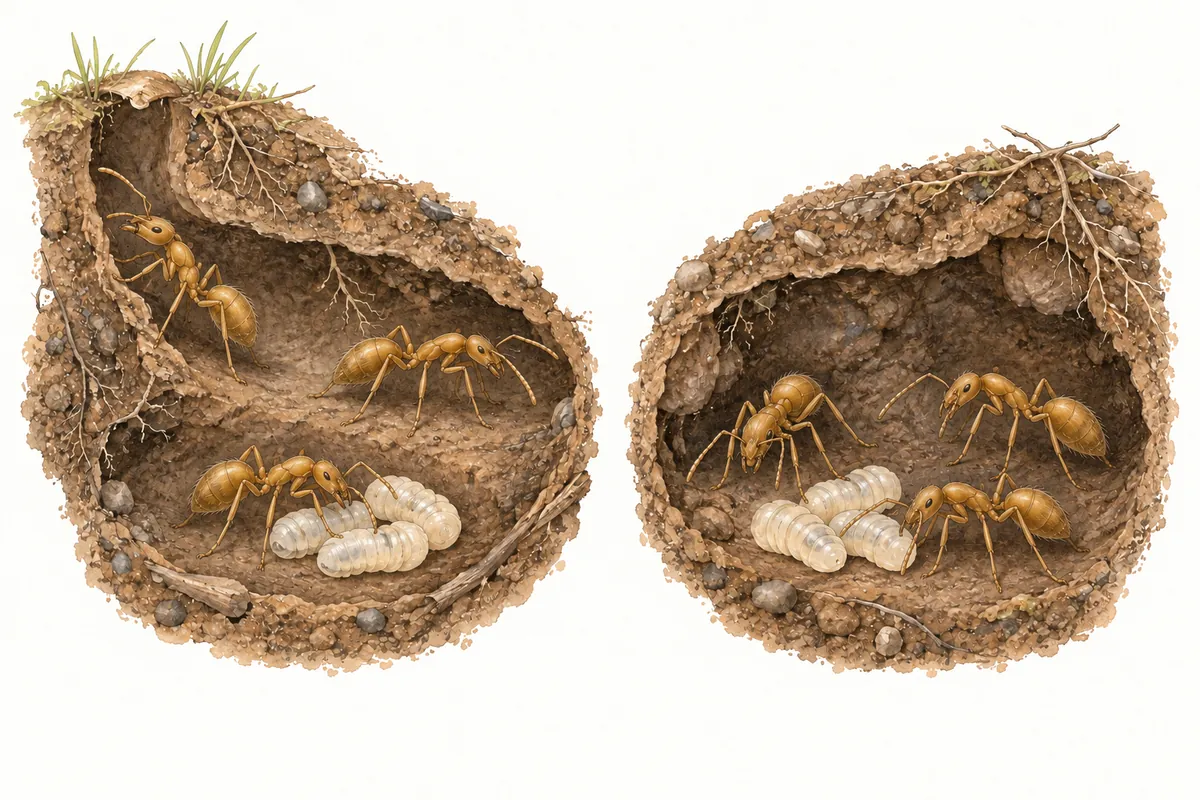
Many temperate colonies enter seasonal dormancy, with reduced activity and interrupted development. Internal timing and environmental conditions both matter, and species differ.
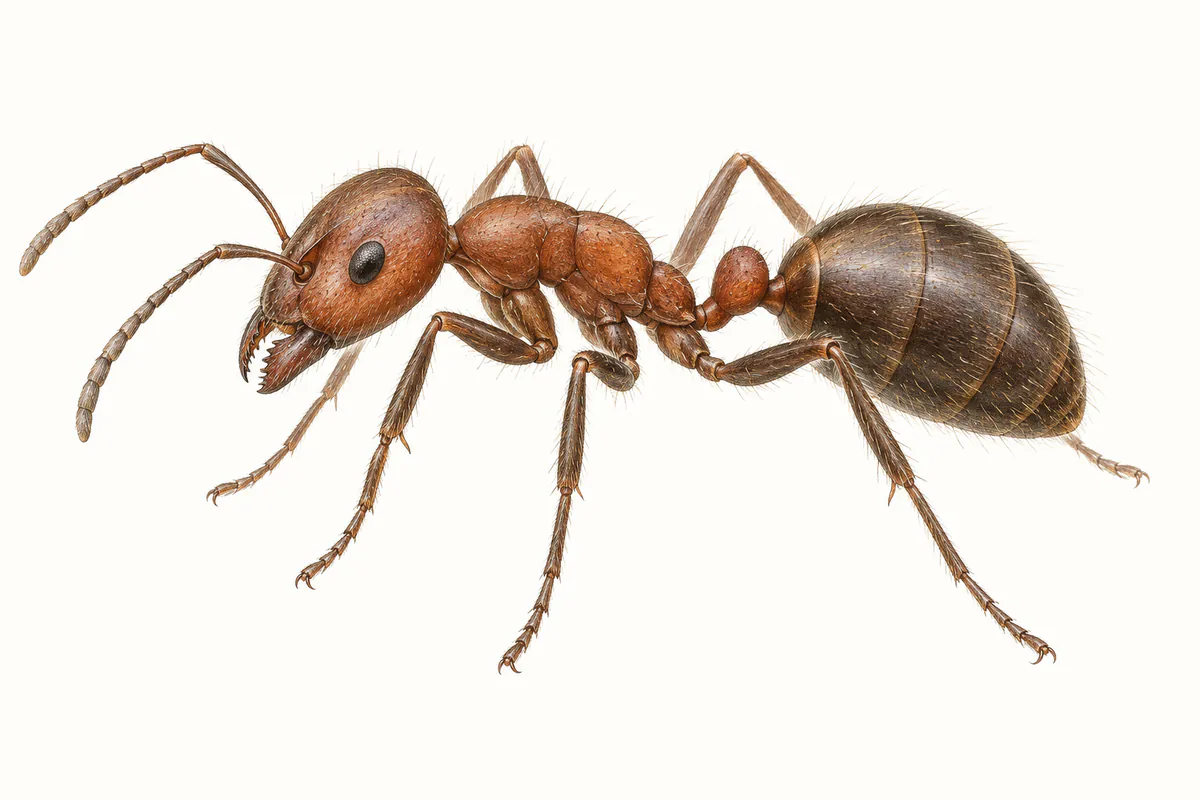
Queens, workers, brood and collective decisions: a map of how an ant society grows and maintains itself.
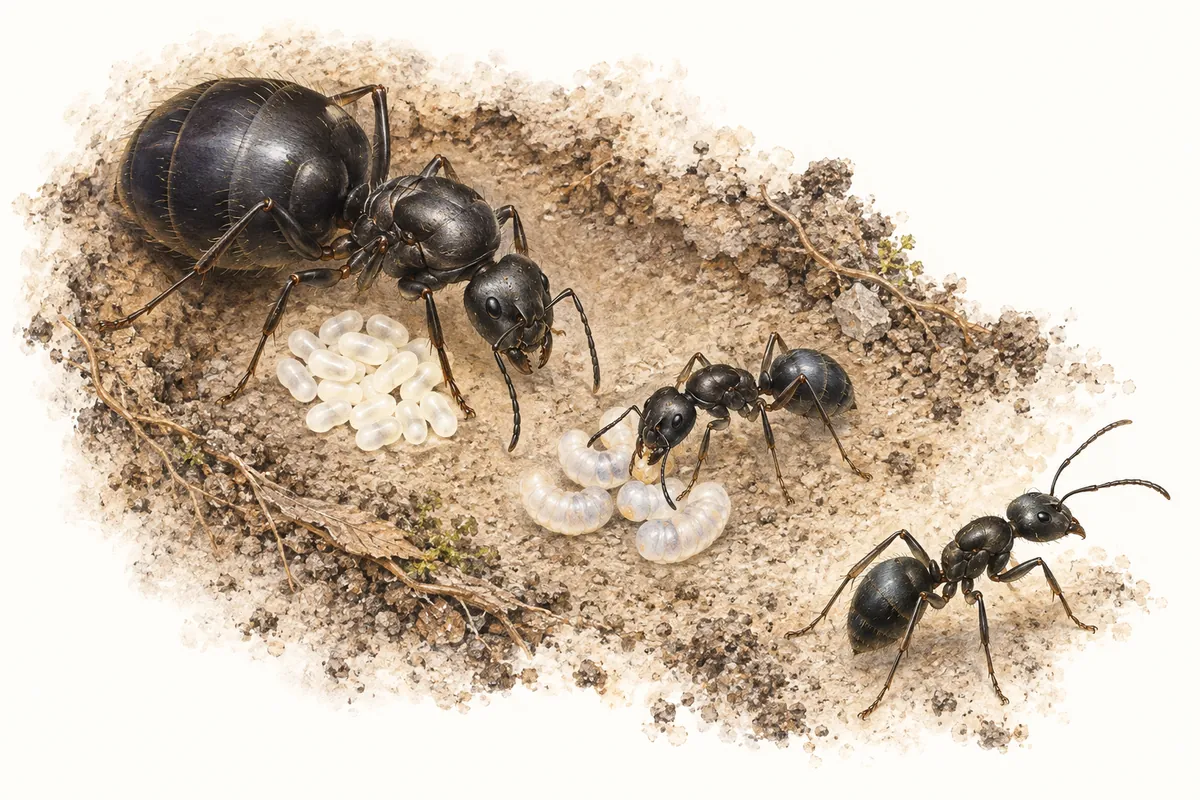
What a queen actually does, how to tell one from a large worker, where she comes from, and what a colony does when it loses her.